
Playing the Pokémon TCG
Pokémon card rarity symbols: circle, diamond, stars and Japanese codes
Updated on 16/10/2026👁 1 reader
Where the symbol is
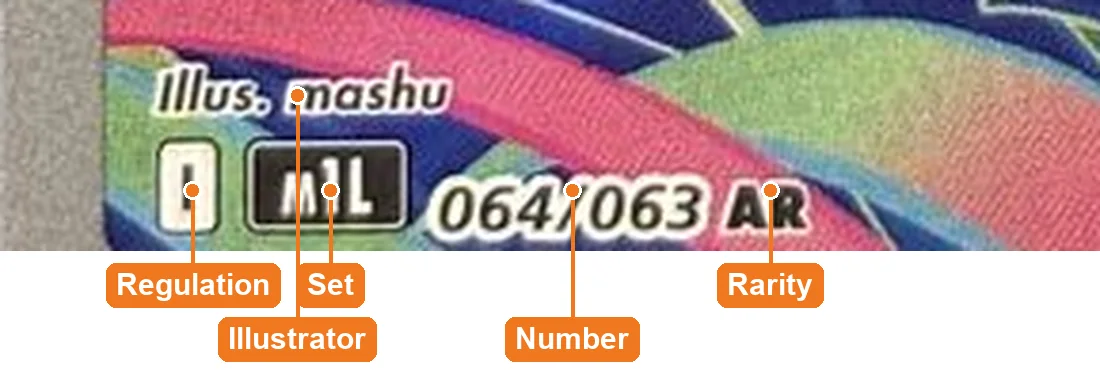
On international cards the rarity symbol is a small shape next to the number; on Japanese cards it's a letter code. They mean the same thing: how hard the card is to find in a pack.
Circle, diamond and star: the basic rarities
| Symbol | Rarity | How many per pack |
|---|---|---|
| ● circle | Common (C) | Several in every pack |
| ◆ diamond | Uncommon (U) | Usually three per pack |
| ★ black star | Rare (R) | At least one per pack (or a better card) |
White and gold stars
Since the Scarlet & Violet series the special cards have coloured stars. Two black stars are the regular Pokémon ex (Double Rare, RR in Japanese); two white stars are the textured full arts (Ultra Rare, SR in Japanese). The gold stars are the most wanted: one for Illustration Rares (AR), two for Special Illustration Rares (SAR), three for gold cards (UR).
ARs (one gold star in English)
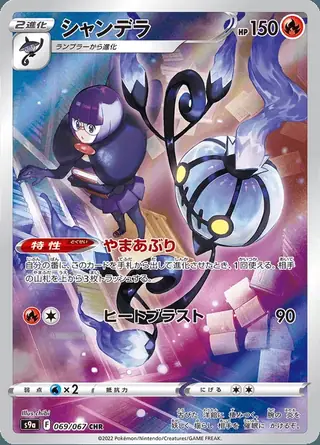
Chandelure
069/067
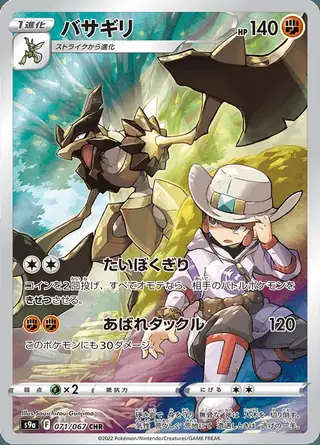
Kleavor
071/067
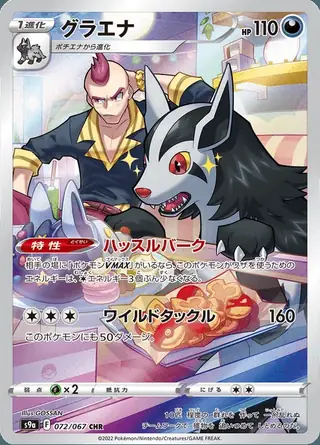
Mightyena
072/067
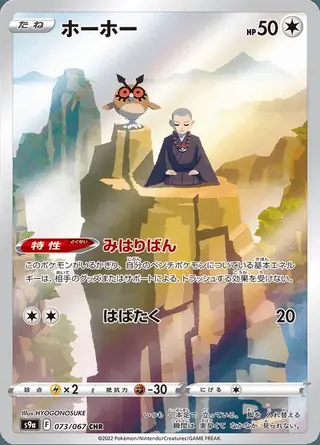
Hoothoot
073/067
SARs (two gold stars in English)
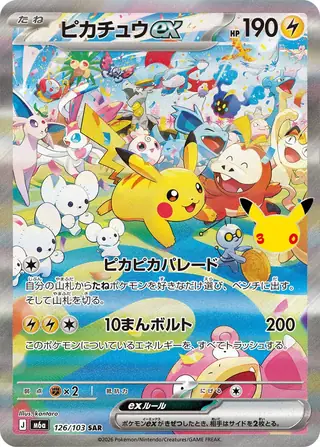
Pikachu ex
126/103
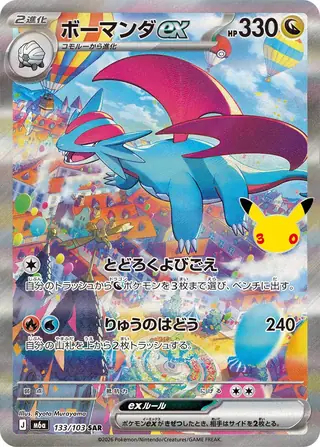
Salamence ex
133/103
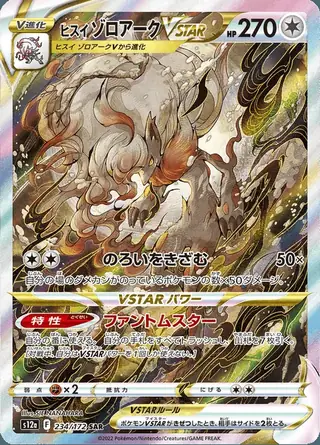
Hisuian Zoroark VSTAR
234/172
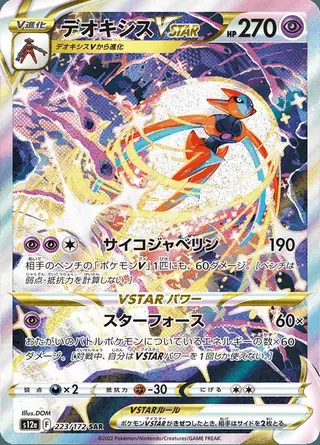
Deoxys VSTAR
223/172
Other symbols you might find
| Symbol | What it means |
|---|---|
| "Edition 1" stamp | First Edition of the English cards from 1999–2002: worth far more than the regular print |
| Black star saying PROMO | Promotional card (events, magazines, special products) |
| Letter in a box (G, H, I, J…) | Regulation mark: tells you whether the card is legal in Standard |
| Set code (M6a, SV2a…) | Which expansion the card came from |
| S and SSR (Japanese) | Shiny Pokémon and shiny super rares |
| No symbol | The very first Japanese cards of 1996 had no printed rarity |
For the regulation mark read the guide to the Standard format; for each Japanese code the guide to rarities; for shiny cards the guide to shiny cards.
Frequently asked questions
What does the gold star on Pokémon cards mean?+
What does the diamond on a card mean?+
Do Japanese cards have the symbols?+
What is the 1st Edition symbol?+
More guides
 How to play the Pokémon Trading Card Game: the basic rules made simple
 How to build a Pokémon deck: rules, ratios and tips
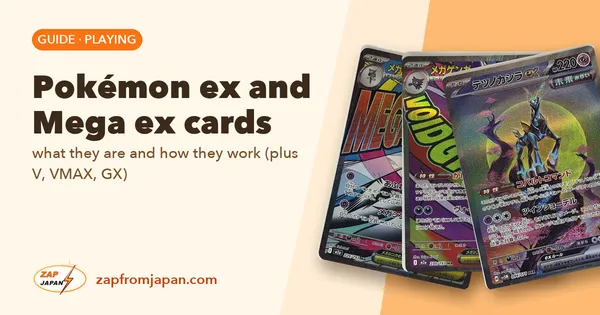 Pokémon ex and Mega ex cards: what they are and how they work (plus V, VMAX, GX)
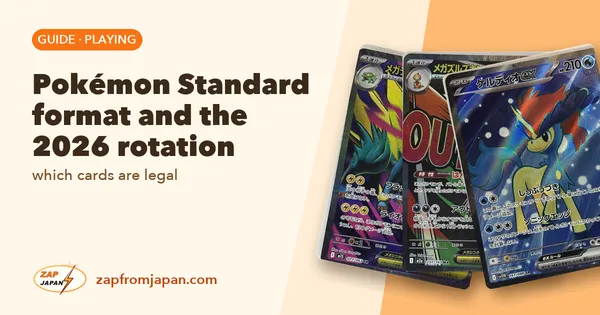 Pokémon Standard format and the 2026 rotation: which cards are legal👁 5 readers
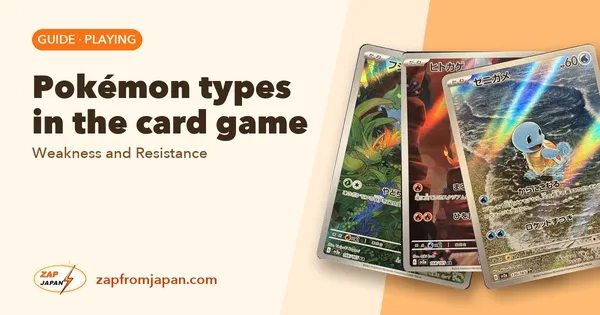 Pokémon types in the card game: Weakness and Resistance👁 1 reader
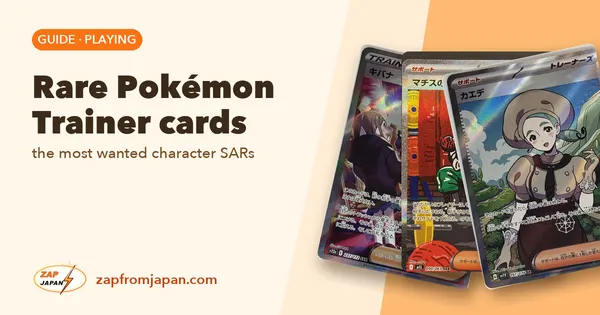 Rare Pokémon Trainer cards: the most wanted character SARs